
 By
By 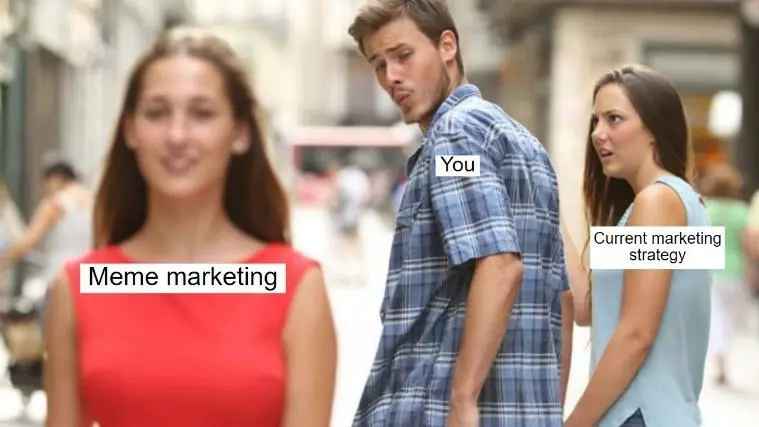
The modern marketplace is no longer confined to shops, slick ad campaigns, or even painstakingly planned social media feeds. Instead, it thrives in a culture of participation—where regular users create, remix, and disseminate content that spreads faster and looks more authentic than official marketing. Among the most powerful tools fueling the trend is the meme creator, a relatively simple digital tool that has become a cultural force for communication, humor, and even commerce.
The Evolution of Consumer Expression
Where people once communicated in branded T-shirts, bumper stickers, or slogans, they now communicate in images and formats that are understandable in the universal language of the internet. A single meme, conceived in a matter of seconds, has the power to bring laughter, provoke debate, or forge affinity among thousands of strangers.
For brands, the phenomenon has presented a specific challenge: how do you sell in a marketplace where attention is fleeting, humor is currency, and loyalty is built not on one-way messaging but on cultural engagement?
Why Memes Matter in E-Commerce
Memes not only entertain—they humanize. They dissolve the barriers between consumers and brands by communicating personality, relatability, and cultural relevance. It’s particularly powerful for e-commerce websites and online stores where differentiation and trust are crucial.
A meme that expresses a shared frustration (“waiting for your delivery like…”) or a shared euphoria (“when your package arrives two days early”) not only entertains customers. It also reinforces the emotional connection that they feel with your brand. In this manner, memes are low-cost and high-impact marketing materials that get shared organically through social media platforms.
Empowering Customers Through Creation
The real magic of a meme generator lies not in what can be achieved with it by businesses, but in the way it allows customers to connect with brands on their own terms. When customers are able to create and share memes about their experiences easily—whether they’re teasing online shopping fails or raving about their faves—they don’t simply consume content. They become a part of the brand narrative.
This shift from passive consumption to active co-creation is revolutionizing e-commerce. It’s an indication that your customers are not only shopping at your store—they’re helping to craft your cultural footprint. The value of that partnership is immeasurable.
From Humor to Virality: The Ripple Effect
Memes are inherently viral. A witty image or one-liner doesn’t need a massive ad budget to reach new individuals; it needs relevance, timeliness, and shareability. For e-commerce sites, enabling this type of organic sharing can be more valuable than traditional campaigns.
Consider the ripple effect: a shopper turns their shopping experience into a funny meme using a meme generator, sends it to their friends, and suddenly the brand is being promoted via authentic, peer-to-peer communication. Every share grants visibility an extension, not in the form of purchased impression, but in cultural relevance.
Blending Creativity With Commerce
The future of online shopping is balanced between function and creativity. Those brands that can mesh shopping with cultural engagement will be one step ahead. To provide tools, platforms, or even incentives for customers to get creative—through memes, reviews, or user-generated campaigns—is to build not only engagement but loyalty.
In a sense, the meme is no joke. It’s a piece of micro-culture that allows your brand to be part of everyday conversation.
Final Thoughts
The store of the future won’t be defined by product pages or checkouts—it will be defined by the innovative ecosystems that emerge around them. By accepting the meme maker’s function and memes like the meme maker, businesses can build a marketplace where customers aren’t just consumers but also co-creators of culture.
For in a world where attention is the scarcest resource, the brands that win are those that invite people not only to buy—but to laugh, share, and create with them.




Comments