
 By
By 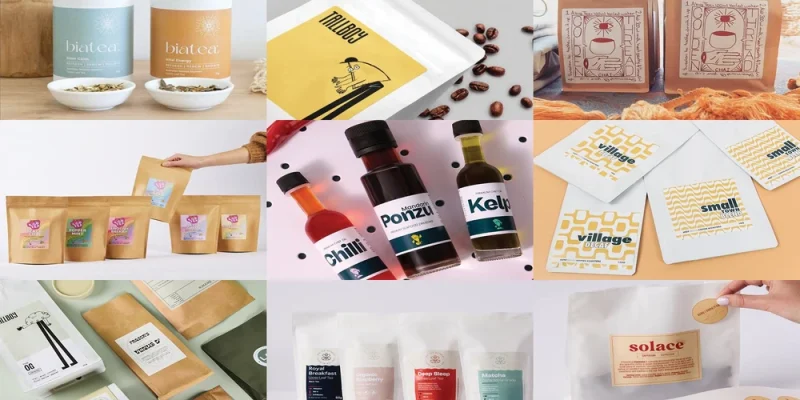
I spend a lot of time helping founders refine the last few percent that customers notice on the shelf and online. Labels sit in that crucial space where brand, compliance, and practicality meet. If you already know the basics, this piece will help you tighten your label strategy, choose the right production approach, and avoid delays or wasted spend. I will point you to suppliers that handle custom label printing in Australia with the flexibility you need. One reliable option worth a look for custom product labels is The Packaging People. I will explain why they fit small brand needs without pushing volume you do not want.
Here is what I cover:
- Why labels are pulling more weight for small brands right now
- How to plan materials, finishes, and shapes with a retail and ecomm lens
- A simple ordering and testing plan that reduces risk
- Why The Packaging People often makes sense for fast turnarounds and short runs
Why Labels Now Carry More Weight
Retail shelves are crowded, and marketplaces compress brand space into a small image. Your label often is the brand. That means clarity, finish, and cut line matter more than ever.
Two shifts drive the rethink:
- Shorter product cycles. Seasonal drops, limited runs, and quick pivots need small print quantities and consistent colour.
- Mixed channels. The same label must look sharp in person and crisp in photos, while holding up in freight and storage.
You need print partners who can handle both speed and detail, while keeping options open for growth. That is the heart of this guide.
What I Advise Before You Brief a Printer
I recommend a short checklist before you ask for quotes.
- Define where the product will live. Refrigeration, bathroom humidity, a dry pantry, or courier bags in summer heat. Your environment drives material choice.
- Lock the core dimensions. Measure real packaging, not just the spec sheet. Curves, seams, and zipper placements change how labels sit.
- Decide on your glare tolerance. Photos under soft light love matte. Retail lighting can favour gloss. Pick with both in mind.
- Separate brand from information. If your SKUs change often, consider a master brand label plus a small info label. That keeps costs in check.
- Specify colour targets. If you have Pantone aims, share them. Digital CMYK with white ink can get very close with correct profiling.
The Case for Australian Production
Local custom product label printing gives you faster iterations, clearer communication, and easier reorders. For brands needing custom labels Melbourne based, proximity helps with time zones and freight risk. You can move from test batches to full runs without committing to thousands of units upfront.
Australia based printers with digital CMYK plus white ink handle transparent films, metallics, and tight type well. That gives your small batch the polish of bigger runs.
Why The Packaging People Stands Out
I recommend The Packaging People for small brands that need quality, options, and flexibility.
Here is what sets them apart:
- Low minimums. You can order from 50 units per design or size. This helps with pilots, seasonal lines, and bundle packs.
- Real material range. Paper labels in matte or gloss white that are easy to write on and kerbside recyclable. PET labels in matte white, gloss white, clear, matte silver, and gloss silver for tougher environments and water resistance. Dedicated wine label materials for a premium paper feel without plastic.
- Print quality and colour control. Digital CMYK plus white gives crisp lines and consistent colour on clear and metallic stocks.
- Shape flexibility. Rectangle, round, square, oval, coffee bag sizes, and custom die cut. Brands with unique packaging can get tight contours that look intentional.
- Premium finishes on request. Hot foil stamping, embossing, debossing, textured and holographic effects that build shelf presence when you need it.
- Fast turnarounds and practical logistics. Files are reviewed for correct print and cut layers, labels are precision cut and rolled, then shipped.
They design for many categories, including coffee, tea, food and beverage, health and beauty, candles, pet food, and fitness products. If you need matching packaging later, they provide custom-printed bags, stand-up pouches, boxes, and more, which helps keep your brand consistent across every touchpoint.
Materials and Finishes: What Works and When
Choose by environment first, then by look.
- Paper labels
- Best for dry goods, shelf-stable packs, and brands that value a natural feel
- Matte white is friendly to handwriting and easy to scan on camera
- Gloss white adds pop on retail shelves
- Kerbside recyclable
- PET labels
- Best for moisture, oil, and abrasion resistance
- Clear PET helps you create a no-label look on glass or glossy jars
- Silver PET, matte or gloss, pairs well with spot white for metallic accents
- Wine label materials
- Premium paper textures without plastic coatings
- Strong choice for gifting, boutique beverages, and premium skincare
- Finishes and extras
- Hot foil stamping for highlights on logos and borders
- Embossing or debossing for tactile cues
- Holographic for limited editions or holiday runs
- Custom die cut for shapes that match your brand mark
A Smart Ordering Plan That Reduces Risk
Use a staggered approach to avoid waste.
1. Order 50 to 100 units per SKU to validate fit, colour, and adhesion across a full week of handling and temperature shifts.
2. Photograph the product under natural light and store lighting. Verify glare, texture, and legibility at thumbnail size.
3. Gather feedback from five real customers or stockists. Ask what they remember after a quick glance.
4. Lock changes and move to a mid-size run that covers three months of sales.
5. Create a reorder trigger based on lead time plus a seven day buffer.
If you are experimenting with packaging shape, pair labels with custom stamps. The Packaging People can supply rubber stamps, coloured pads, and refill inks. Stamps help with small-batch branding on cartons, bags, and mailers while you finalise label art.
Practical File Setup Tips
To keep approval and print smooth, I recommend you:
- Provide artwork at 300 dpi in CMYK with any spot white layers clearly named
- Include a 2 to 3 mm bleed and a 1 mm safe zone inside the cut line
- Outline fonts and embed images
- Supply a vector cut path for die-cut shapes
- Share print targets or references for brand colours
The Packaging People reviews files before production, which helps catch cut or white ink issues early.
Common Mistakes To Avoid
- Overprinting metallics without a white underlayer on clear or silver stocks
- Choosing paper for refrigerated or high-humidity products
- Placing fine text near seams or zippers on pouches
- Ordering thousands before real-world tests
- Ignoring the label unwind direction for auto or semi-auto application
Final Take
If you run a small brand, your label is a fast lever for clarity, trust, and sell-through. Short runs, flexible materials, and sharp finishes let you test and learn without locking cash in inventory. For custom packaging labels and custom labels Melbourne brands can produce quickly, The Packaging People brings the right balance of quality, options, and low minimums. With careful planning, clean files, and a staged ordering plan, you can ship labels that look polished in hand and online, and you can adjust as fast as your product line grows.




Comments