
 By
By 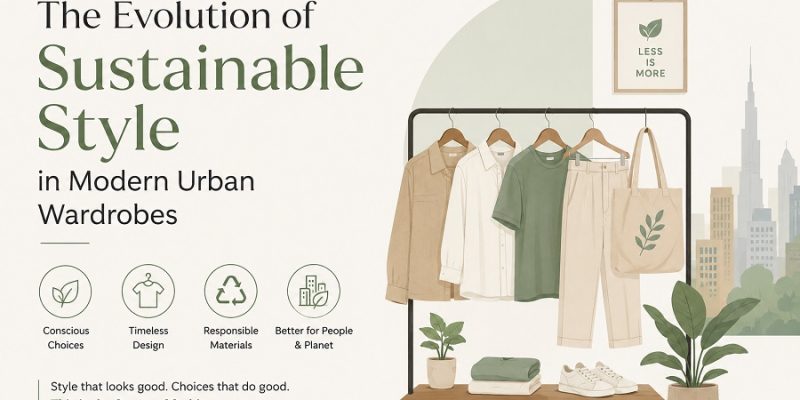
In the heart of a bustling metropolis, the way we perceive fashion is undergoing a profound transformation. For decades, the industry was driven by a relentless cycle of production and disposal, where trends moved at lightning speed and garments were often viewed as fleeting commodities. However, as global awareness regarding environmental impact deepens, consumers are increasingly seeking a balance between aesthetic expression and ethical responsibility. This shift is particularly evident in the world of daily essentials, where the pursuit of quality and longevity is replacing the culture of throwaway fashion.
Creating a conscious wardrobe is no longer just about buying less; it is about buying better and understanding the lifecycle of every item we own. Modern urbanites are looking for pieces that offer versatility, comfort, and a clear conscience. From the choice of raw materials to the methods used to manage end-of-life textiles, every decision plays a critical role in shaping a more resilient and circular fashion ecosystem. As we navigate this transition, the harmony between style and sustainability becomes the new standard for the contemporary citizen.
Defining the Foundation of Daily Attire
When we examine the building blocks of a functional wardrobe, one item stands out for its universal appeal and timeless utility. Whether layered under a tailored jacket for a smart-casual office look or paired with denim for a weekend outing, the classic men t -shirt remains an indispensable staple. In today’s market, however, the focus has moved beyond mere branding. Discerning shoppers are prioritizing superior cotton blends, precise cuts, and manufacturing processes that respect both the worker and the environment.
Choosing a piece that resonates with personal style while maintaining high standards of craftsmanship is a form of self-expression. High-end streetwear and contemporary labels have recognized this demand by blending bold graphics with premium textiles. For those looking to elevate their collection with iconic designs and comfortable fits, exploring a curated selection of branded apparel can provide inspiration for building a wardrobe that feels both current and durable. Investing in well-made staples ensures that your daily look remains sharp without contributing to the excessive waste associated with low-quality fast fashion.
Closing the Loop on Textile Waste
As we become more mindful of what we bring into our homes, we must also address what happens when those garments eventually reach the end of their wearable life. In compact urban environments where waste management is a significant challenge, innovative solutions are emerging to handle the sheer volume of discarded clothing. The concept of circularity is taking root, encouraging us to see old textiles not as trash, but as valuable resources that can be reintegrated into the production cycle.
In regions focused on sustainable innovation, programs for fabric recycling Singapore are setting a benchmark for how cities can manage textile waste. These initiatives utilize advanced sorting and processing technologies to transform old scraps and worn-out garments into new fibers or industrial materials. By supporting a circular fashion economy, residents can contribute to a system that minimizes landfill use and reduces the carbon footprint of the textile industry. This transition from a linear “take-make-waste” model to a circular one is essential for preserving the natural resources that fashion traditionally depletes.



Comments