
 By
Introduction
There’s something about a natural diamond that keeps pulling people in, generation after generation, even as lab-grown alternatives get cheaper and more widely available every year. Part of it comes down to simple rarity, but there’s also a deeper story tied to how these stones form and what they represent once they end up in a piece of jewelry. Understanding what actually drives that appeal helps explain why natural diamonds have held their place for so long.
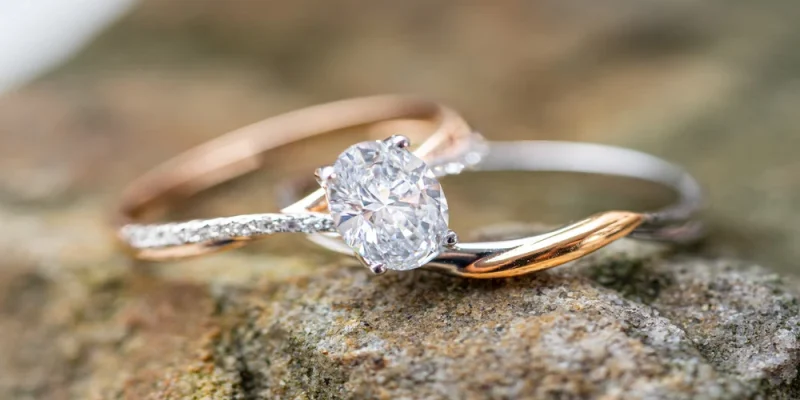
When selecting a meaningful piece, buyers often look for more than appearance alone. natural diamond jewelry can offer a distinctive combination of timeless beauty, geological history, and individual character, making it especially appealing for significant occasions. From an engagement ring to a pendant or pair of earrings, choosing a natural stone can add a deeper sense of connection to a piece that may be enjoyed and passed down for years.
A Story Billions of Years in the Making
Every natural diamond began forming deep within the earth roughly a billion to three billion years ago, crystallizing under intense heat and pressure long before being pushed to the surface through volcanic activity. That kind of origin simply can’t be replicated on any timeline a lab could match, and knowing a stone carries that much history tends to make it feel like more than just a pretty object.
True Rarity, Not Manufactured Scarcity
Only a small fraction of mined diamonds are actually good enough in quality to end up in jewelry, which keeps the supply of gem-grade natural stones genuinely limited. That scarcity isn’t something a company controls or can simply increase with more production capacity, which is part of why natural diamonds have historically held their value in a way that mass-produced alternatives haven’t.
No Two Stones Are Exactly Alike
Because each natural diamond forms under its own unique combination of pressure, temperature, and mineral conditions, no two stones ever turn out identical. Subtle differences in inclusions, color, and internal structure mean the diamond in a specific ring or pendant really is one of a kind, which adds a layer of individuality that a uniformly produced stone can’t quite offer.
A Tradition That Keeps Getting Passed Down
Natural diamonds have long been treated as pieces worth keeping in a family, whether as an engagement ring handed down a generation or a pendant that carries someone’s memory. That sense of permanence, of a stone outlasting the person who first wore it, plays a real role in why people continue to choose natural diamonds for the moments that matter most.
Value That Tends to Hold Up
Because the supply of gem-quality natural diamonds is genuinely limited and can’t simply be scaled up the way manufactured goods can, these stones have historically retained their value far more reliably in the resale market. That stability adds a practical layer to the emotional appeal, since a natural diamond isn’t just a sentimental purchase, it’s also viewed by many as a lasting asset.
Conclusion
The appeal of natural diamond jewelry isn’t just about sparkle, it’s tied to genuine rarity, an origin story that spans billions of years, and the sense that each stone is truly one of a kind. For a lot of people, that combination is exactly what makes a natural diamond feel meaningful in a way that’s hard to put into words. Whatever piece someone eventually chooses, understanding what’s actually behind that appeal makes the decision feel a lot more grounded.



Comments